Termite Control in Lakeland, FL
Termites are the pest Lakeland homeowners worry about most, and for good reason. Our sandy soil, high water table, and warm, wet climate are ideal for them. Eastern subterranean termites are everywhere in Polk County, Formosan subterraneans have been spreading through Central Florida, and drywood termites quietly work inside furniture and framing without ever touching the soil. Most colonies do damage for a long time before anyone notices a thing.
Same-day and next-day appointments, Mon–Sat
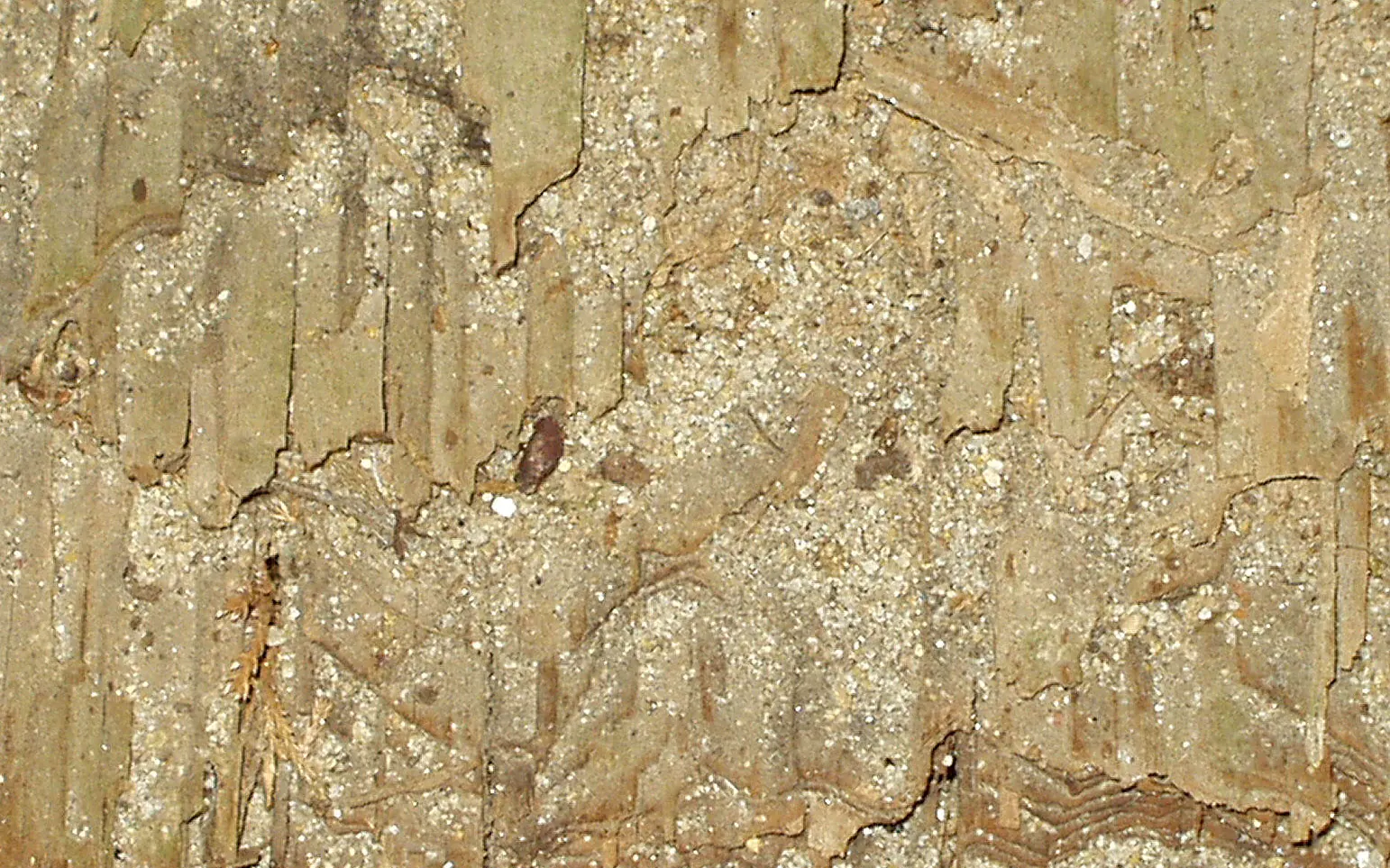
Swan City Pest finds out which type you have, how far it has spread, and what treatment actually fits your home. Those details matter, because a soil treatment that stops subterraneans will do nothing for drywoods already living in your wood. We walk you through the findings in plain language, show you the evidence ourselves, and give you a free quote with no-pressure advice. You decide what happens next.
The Three Termites That Matter in Lakeland
Eastern subterranean termites live in the soil and travel up into a home through mud tubes on foundation walls, piers, and plumbing lines. They need moisture, and Lakeland gives it to them. A leaky hose bib, AC condensate line, or mulch piled against the slab can be enough to keep them happy. Formosan subterranean termites are a more aggressive cousin. Their colonies are much larger, they can build carton nests above ground inside walls, and they eat wood faster. Both types swarm in spring, usually on warm, humid evenings after rain.
Drywood termites are different. A mating pair flies in, finds a crack in exposed wood, and starts a small, slow colony right there. No soil contact, no mud tubes. The giveaway is frass, tiny pellets that look like ground pepper or coarse sand, pushed out of small kick-out holes under window frames, eaves, and furniture. Because the colony lives inside the wood itself, treatment has to reach it there.
- Eastern subterranean: mud tubes, soil contact, spring swarms
- Formosan subterranean: very large colonies, carton nests in walls
- Drywood: frass like pepper or sand, colonies inside the wood
- Swarmers indoors usually mean a colony is already in or near the home
Signs Lakeland Homeowners Should Not Ignore
Some signs are easy to miss until the damage is real money. Paint that looks blistered or bubbled for no clear reason. Wood that sounds hollow or papery when you tap it. Doors and windows that suddenly stick because a frame has been eaten out of square. Thin, dirt-colored tubes running up a garage wall or foundation. A pile of wings on a windowsill in April or May, all the same size, is swarmers that have shed them.
None of these signs tell the whole story by themselves. Old damage can look active, and active colonies can hide behind drywall where you cannot see them. That is why an inspection matters more than a guess. We check the attic, crawl areas where present, garages, and the full exterior, and we probe suspect wood to see how far the damage goes.
Treatment Options, Explained Straight
For subterranean termites, the two main tools are liquid soil treatments and bait systems. A liquid treatment creates a treated zone around and under the home that termites pass through as they forage. Bait systems use stations around the property that workers feed on and carry back to the colony. Both approaches work when they are installed and monitored properly. The right pick depends on your foundation type, landscaping, wells or water features nearby, and how the home was built.
For drywood termites, the scale decides. A small, reachable colony in one piece of furniture or a single frame can sometimes be treated locally. When drywoods are in several places, or in wood no one can reach, tent fumigation is the whole-house fix. It is a bigger job that means leaving the home for a short stretch, and we will be honest about when it is truly needed versus when a local treatment will do. We do not push the biggest job. We recommend the one that solves your problem.
Keeping Termites From Coming Back
Treatment is half the work. The other half is making your home less inviting. Keep mulch and soil pulled back from the slab. Fix leaks fast, including that slow drip under a sink. Store firewood and lumber off the ground and away from the house. Make sure gutters and downspouts move water away from the foundation instead of dumping it right next to it.
We also suggest a yearly check, even after treatment. Termite pressure in Lakeland never drops to zero, and catching a new colony early is far cheaper than repairing studs, flooring, and door frames later. After any treatment, we explain what was done, what to watch for, and when a recheck makes sense for your home.
How our termite control service works
- Step 1
Book a Free Termite Inspection
Call and tell us what you have seen, whether that is tubes, wings, frass, or soft wood. We will set a visit, often same-day or next-day, and confirm your free quote on the call.
- Step 2
Full Inspection of the Home
We check the exterior, garage, attic, and interior trouble spots, probe damaged wood, and look for moisture and entry conditions. You see the evidence we find, not just a summary.
- Step 3
A Plan Matched to the Termite Type
Subterranean and drywood problems get different treatments for a reason. We lay out the options, what each involves, and our recommendation, with no pressure to decide on the spot.
- Step 4
Treatment and a Recheck Schedule
We complete the agreed treatment, explain any prep or follow-up it needs, and set a sensible recheck plan so new activity is caught early.
Questions before you book? Call us — a two-minute conversation usually settles it.
Ready to sort out your termite control problem?
Free quote, straight answers, and a price confirmed before any work starts. Most appointments are same-day or next-day.
Related services
Termite Control across the Lakeland area
Termite Control questions, answered
How do I know if I have subterranean or drywood termites?
Subterraneans leave mud tubes and usually start near the ground or a moisture source. Drywoods leave small piles of pellet-like frass under kick-out holes and need no soil contact. An inspection confirms the type, and the type decides the treatment.
I saw swarmers in spring. Does that mean my house has termites?
Swarmers outside near a porch light may just be passing through. Swarmers coming from inside, or piles of shed wings on indoor windowsills, point to a colony in or very close to the home. Either way, it is worth a free inspection.
Does every drywood problem need tent fumigation?
No. One small, accessible colony can often be treated locally. Fumigation makes sense when infestations are spread through the home or hidden in wood that cannot be reached. We will show you what we found and explain which case yours is.
Will termite treatment be a problem for my kids or pets?
We explain each product and method up front, including any time you need to be out of a room or off a treated area. Bait systems keep product inside locked stations. Fumigation has its own clear return-home steps, which we walk through in detail.
How often should a Lakeland home be checked for termites?
Once a year is a good rule here. Polk County has steady termite pressure all year, and a yearly check catches new colonies while they are still small and cheap to deal with.